
What to Expect During a Commercial Carpet Installation Project
People searching for commercial carpet installation are typically looking to understand the process, and local service providers can handle the work professionally to meet their needs.
Understanding what to expect during a commercial carpet installation project can help property owners feel more prepared and confident in the process. Whether upgrading a retail space, office, or hospitality venue, knowing the typical steps involved ensures there are fewer surprises along the way. Local contractors who specialize in commercial carpet installation are equipped to handle these projects efficiently, providing clarity on what the installation entails and how it can impact daily operations.
For property owners exploring this topic, it’s practical to consider factors like the scope of the work, potential disruptions, and the importance of choosing experienced service providers. Local pros can offer insights into the installation process, helping to set realistic expectations and ensuring the project proceeds smoothly. Continuing to learn about what to expect during a commercial carpet installation project can make the experience more manageable and lead to a successful upgrade for any commercial space.
- Site preparation - when a business is ready for new carpet installation, local contractors assess the space and prepare the flooring for a smooth process.
- Carpet removal - if existing flooring needs to be replaced, service providers handle the removal efficiently to minimize disruption.
- Carpet fitting and installation - during a commercial carpet project, pros precisely measure and install the new flooring to ensure a seamless finish.
- Flooring inspection - after installation, local service providers inspect the work to confirm proper placement and quality.
- Cleanup and disposal - once installation is complete, contractors clean the work area and dispose of old materials responsibly.

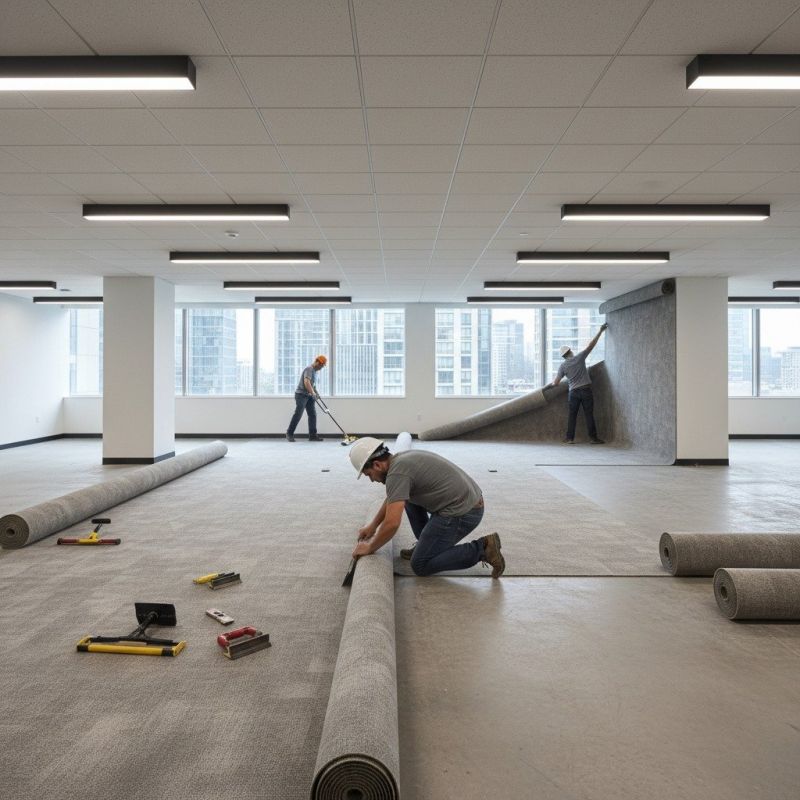
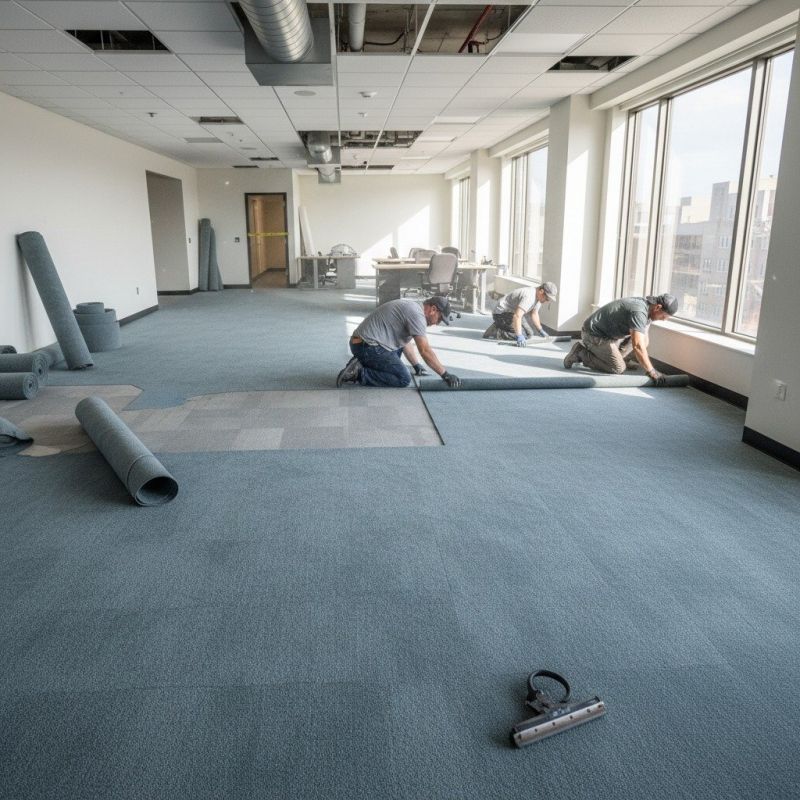
When people search for what to expect during a commercial carpet installation project, they are often trying to understand the overall process involved in upgrading or replacing flooring in a business or institutional setting. This topic typically relates to plans for improving office spaces, retail locations, healthcare facilities, or other commercial properties that require durable, professional-grade flooring solutions. Property owners and managers want to know how the installation will impact daily operations, what steps are involved, and how long the project might take. Understanding these details helps them coordinate their schedules and ensure the work aligns with their business needs.
Commercial carpet installation projects can present a variety of challenges and considerations. For example, property owners may need to plan for temporary disruptions, such as limited access to certain areas or noise during installation. There might also be specific requirements for the type of carpet used, especially in spaces with high foot traffic or special safety standards. Additionally, some projects involve preparing existing subfloors, removing old flooring, or making structural adjustments to ensure a smooth, long-lasting result. Knowing what to expect during a commercial carpet installation helps property owners anticipate potential issues and work effectively with local service providers to address them.
The types of properties that typically require commercial carpet installation are diverse. Office buildings, retail stores, warehouses, healthcare facilities, educational institutions, and hospitality venues all often involve installing or replacing carpets to meet their specific needs. These spaces usually demand carpets that are resilient, easy to maintain, and capable of handling heavy use. Commercial carpet installation in these properties often involves working within tight schedules to minimize downtime and ensure the space is ready for occupancy as quickly as possible. Local contractors experienced in commercial projects understand the unique requirements of these properties and can help ensure the installation process proceeds smoothly.
During a commercial carpet installation project, property owners can generally expect a series of stages designed to prepare the space, install the new flooring, and clean up afterward. Initially, there may be an assessment or consultation to determine the best carpet options and plan the work schedule. Next, the area is prepared by removing existing flooring, cleaning, and making any necessary repairs to the subfloor. The installation itself involves precise laying of the carpet, securing it properly, and trimming for a clean finish. Once the carpet is installed, the area is cleaned to remove debris, and the space is inspected to ensure everything meets the expected standards. Local service providers are equipped to handle each of these stages efficiently, helping property owners understand what to expect at every step.
Flooring Preparation Projects - these involve surface leveling and subfloor repairs that ensure a smooth foundation, similar to the prep work needed before commercial carpet installation.
Office Renovation Projects - require planning, space assessment, and material handling, paralleling the coordination involved in installing new commercial carpets in large areas.
Commercial Flooring Replacement - involves removing old flooring and installing new materials, which shares skills like surface preparation and material management with carpet installation.
Building Renovation Projects - encompass a range of interior upgrades that often include flooring updates, requiring similar planning and surface work as carpet installation.
Carpet Tile Installation Projects - focus on precise layout and placement, closely related to the detailed work involved in commercial broadloom carpet installation.
Space Planning and Design Projects - involve assessing layouts and material needs, which are essential steps in planning a successful commercial carpet installation.
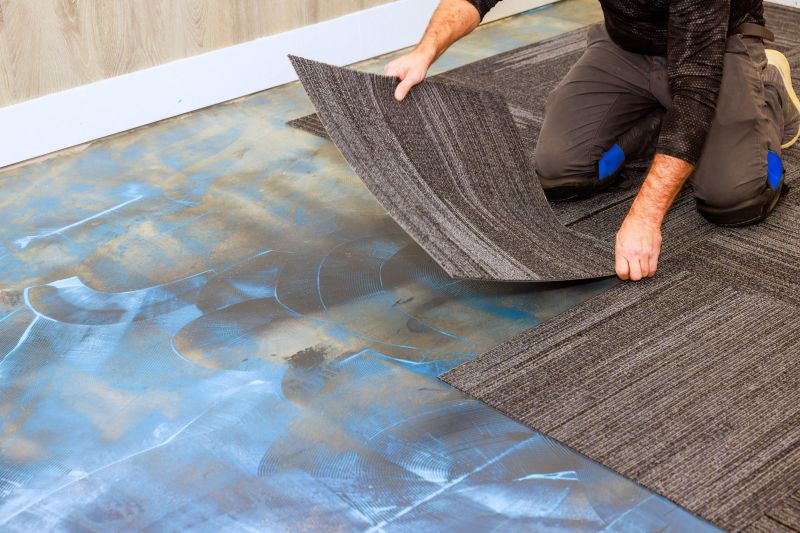
When evaluating commercial carpet installation services, it is important to consider the experience of the local contractors with similar projects. A service provider with a proven track record in handling commercial spaces can better anticipate potential challenges and ensure the installation process aligns with the specific needs of the environment. Homeowners should inquire about the types of commercial projects the contractor has completed and seek references that can verify their ability to deliver quality results in comparable settings. This helps establish confidence that the chosen service provider understands the scope and complexity of commercial carpet installation.
Clear, written expectations are essential for a smooth project. Reputable local contractors should provide detailed documentation outlining the scope of work, materials to be used, and the projected timeline. Having these expectations documented helps prevent misunderstandings and ensures that both parties are aligned on what the installation will entail. Homeowners are encouraged to review these documents carefully and ask questions about any aspects that are unclear. Good communication and transparency from the service provider can significantly contribute to a successful installation process.
Effective communication and references from previous clients are key indicators of a reliable service provider. A reputable local contractor should be willing to share references or testimonials that demonstrate their professionalism and quality of work. Throughout the project, homeowners should look for clear, consistent communication from the service team-prompt responses to questions and updates on progress can make a substantial difference. These aspects help ensure that the project proceeds as planned and that any issues are addressed promptly, leading to a more predictable and satisfactory experience during a commercial carpet installation.
Property owners often search for what to expect during a commercial carpet installation project when they are planning practical projects around their homes and businesses. Local pros provide Commercial Carpet Installation services for everyday jobs and straightforward project options.
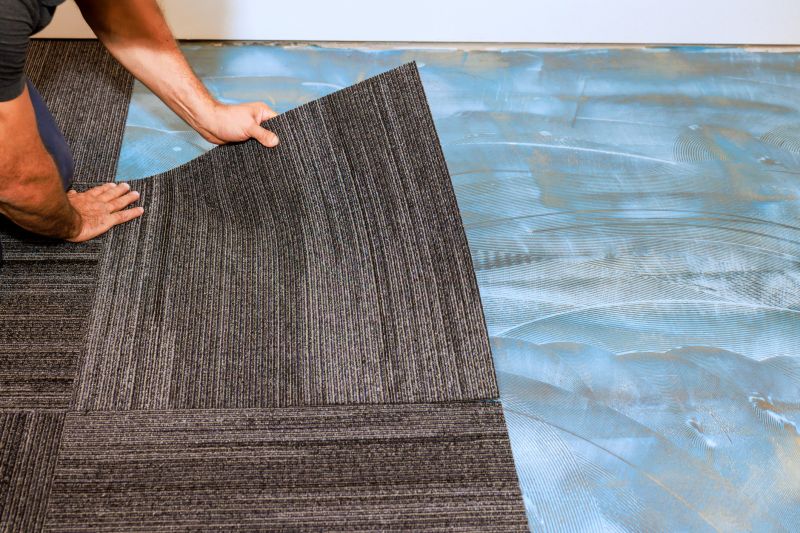

During a commercial carpet installation project, property owners can typically expect a series of practical steps that help ensure a smooth process. Most installations involve a team of local contractors preparing the space by removing old flooring, cleaning the subfloor, and measuring accurately to ensure the new carpet fits properly. Throughout the project, property owners might notice some temporary disruptions, such as noise or restricted access to certain areas, which are normal parts of the installation process. Understanding these routine activities can help property owners plan accordingly and appreciate the expertise that local service providers bring to managing these details efficiently.
Many property owners seek out commercial carpet installation services to improve the appearance and functionality of their spaces, especially when upgrading or remodeling. During the project, it’s common for local contractors to work within the property’s schedule, often coordinating with other trades or building management to minimize downtime. Property owners might also observe that the process involves careful handling of materials and precise installation techniques to ensure durability and a professional finish. Knowing what to expect during a commercial carpet installation project can help property owners feel more prepared and confident in choosing local service providers to handle the job effectively.
What should I expect during a commercial carpet installation project? During a commercial carpet installation, local contractors typically prepare the space, remove existing flooring if necessary, and carefully lay down the new carpet to ensure a smooth, even surface. They may also move furniture as needed to access the area and complete the job efficiently.
Will there be any disruption to my business during the installation? Yes, some disruption is common, especially if the installation occurs during business hours. However, experienced service providers often coordinate with clients to minimize downtime and may work outside regular hours if possible.
How do contractors handle the preparation of the space before installing the carpet? Local pros usually clean and level the subfloor, repair any damages, and measure accurately to ensure the carpet fits properly. Proper preparation helps achieve a professional, long-lasting result.
What types of carpet installation methods do local service providers use? They may use methods such as stretch-in or glue-down installation, depending on the space and carpet type. These techniques ensure the carpet is securely installed and looks seamless.
What should I do to prepare the space before the installation begins? It's recommended to clear the area of furniture and personal items, and inform the contractors of any specific access needs. Proper preparation helps facilitate a smooth installation process.
Preparing the space - property owners should clear the area of furniture and any obstacles to ensure a smooth installation process handled by local contractors.
Choosing the right carpet - selecting a durable and suitable carpet type helps property owners meet their needs and ensures the installation aligns with the space’s usage.
Understanding the installation process - being aware of steps like measuring, carpet laying, and finishing helps property owners plan for minimal disruption during the project.
Post-installation cleanup - property owners can expect local service providers to remove debris and ensure the space is ready for immediate use after installation.
If you are thinking about what to expect during a commercial carpet installation project for a property, this guide is meant to help you understand this topic, the typical project types, and how different options might fit your plans.
When you are ready, you can use the quote form on this page to share a few details about your project. From there, local pros can review the basics and follow up with options that match what you have in mind.